



OXALIC ACID
Inhouse product

-

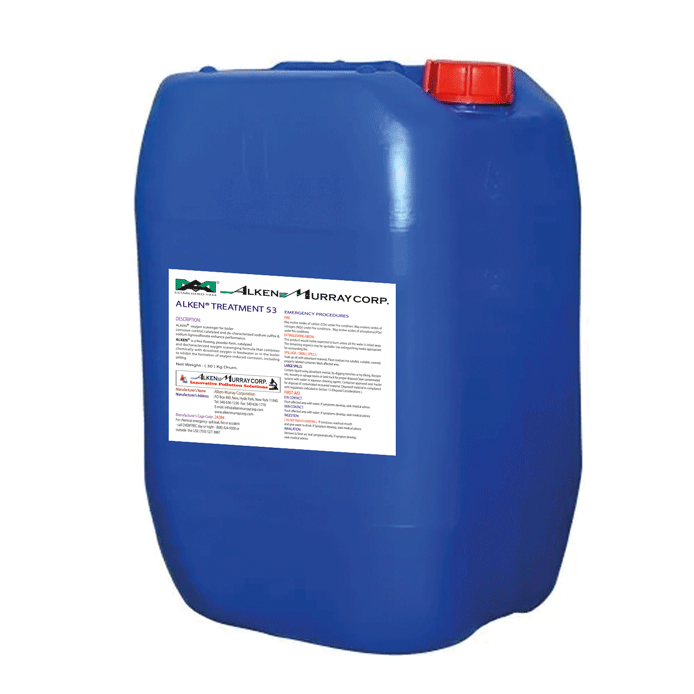
ALKEN® TREATMENT 53
৳0.00 -
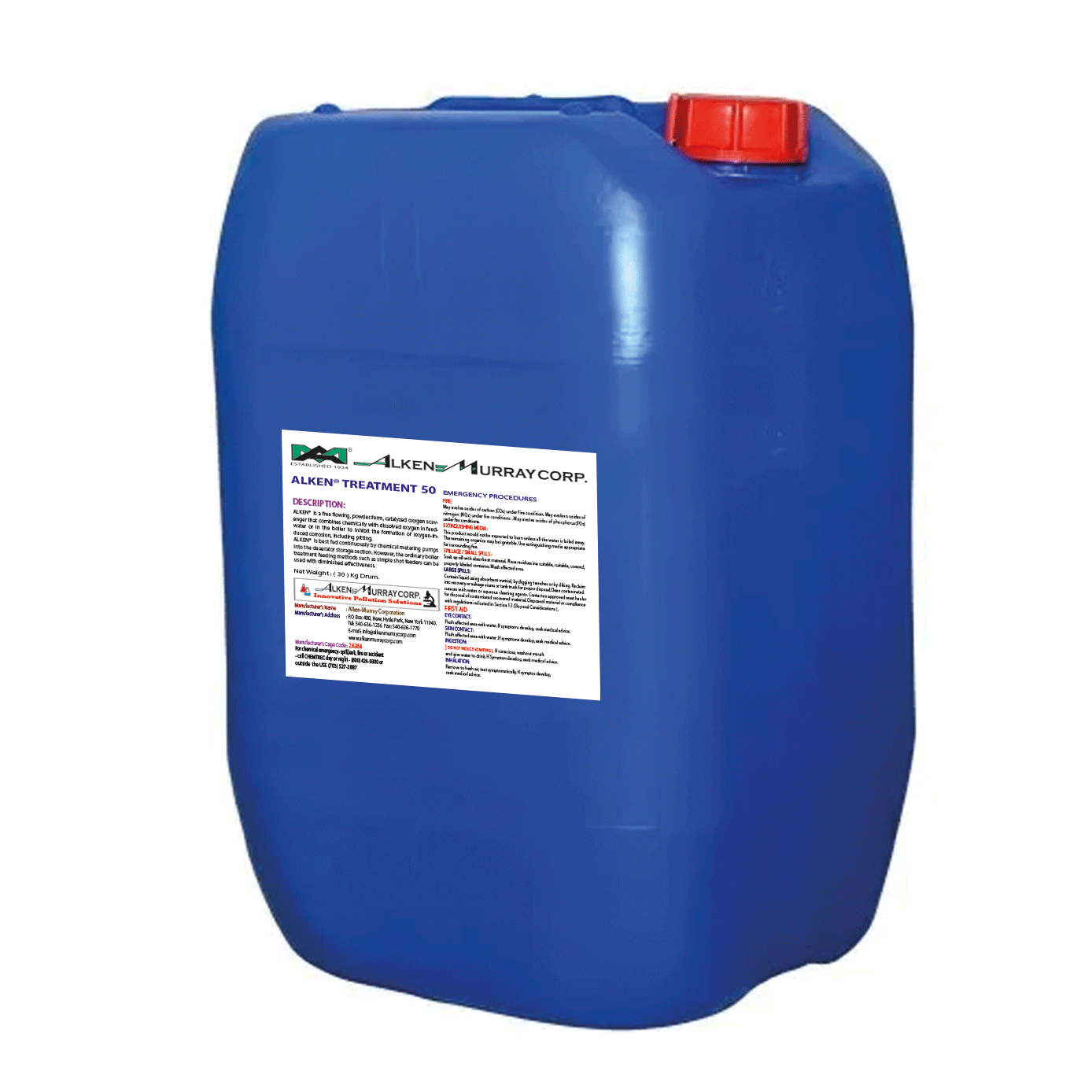
ALKEN® TREATMENT 50
৳0.00 -
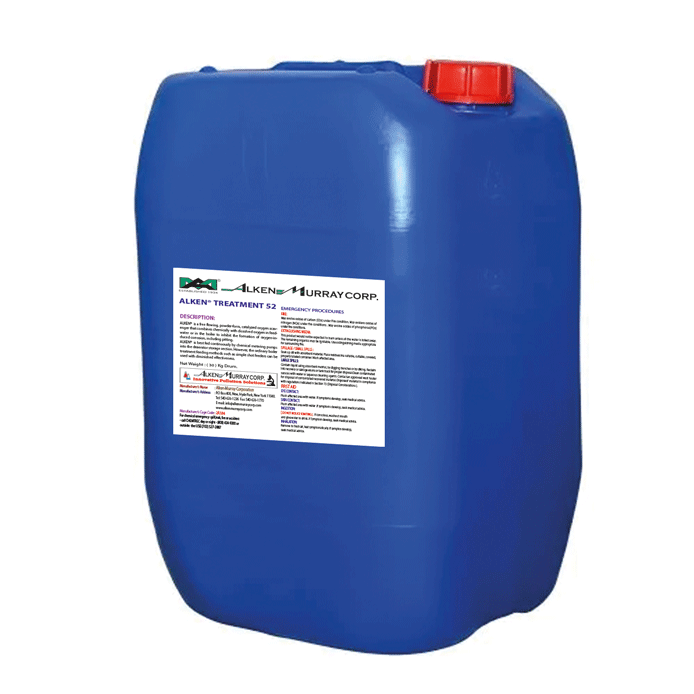
ALKEN® TREATMENT 52
৳0.00 -
Round Type Cooling Tower
৳0.00 -
Box Type Cooling Tower
৳0.00 -
Sprinkler Head- 300 RT
৳0.00


Properties of Oxalic acid – C2H2O4
| C2H2O4 | Oxalic acid |
| Molecular Weight/ Molar Mass | 90.03 g/mol |
| Density | 1.90 g cm−3 |
| Appears | White crystals |
| Melting Point | 189 to 191 °C |
C2H2O4 Uses (Oxalic acid)
It is used in the dyeing process as a mordant
It is used in removing rust
In lanthanide chemistry, it is used as an important reagent
It is applied on marble sculptures to make it shine
It is used in the manufacture of dye
It is used in bleaches
It is used in removing food and ink stains
It is used in developing photographic film
It is used in wastewater treatment to remove the calcium deposit.
Oxalic acid’s conjugate base is the hydrogen oxalate anion and its conjugate base (commonly known as oxalate) is a competitive lactate dehydrogenase (often abbreviated to LDH) enzyme inhibitor. LDH catalyses the conversion of pyruvate to lactic acid (end product of the fermentation, which is an anaerobic process) oxidizing coenzyme NADH to NAD+ and H+ at the same time. Restoring NAD+ levels is necessary if anaerobic energy metabolism is to continue through glycolysis. Because cancer cells preferentially use anaerobic metabolism, LDH inhibition has been shown to inhibit tumour development and growth. Thus, this compound provides an interesting possible course for the treatment of certain cancers.
Health Hazard
Oxalic acid is a strong poison. The toxic symptoms from ingestion include vomiting, diarrhoea, and severe gastrointestinal disorder, renal damage, shock, convulsions, and coma. Death may result from cardiovascular collapse. Oxalic acid is an irritant of the eyes, mucous membranes, and skin. Inhalation or ingestion may result in kidney damage.
Oxalic acid is a strong poison. The toxic symptoms include renal damage, shock, convulsions. The toxicity arises as oxalic acid reacts with the calcium in the tissues to form calcium oxalate, thereby upsetting the calcium potassium ratio. The deposition of oxalates in the kidneys tubules may result in kidney damage.
Oxalic acid poisoning can result in headaches, dizziness, nausea, vomiting, convulsions, coma, and even death. A skin rash, discomfort, redness, blisters, and slow-healing ulcers can result from prolonged or recurrent exposure.
Related products
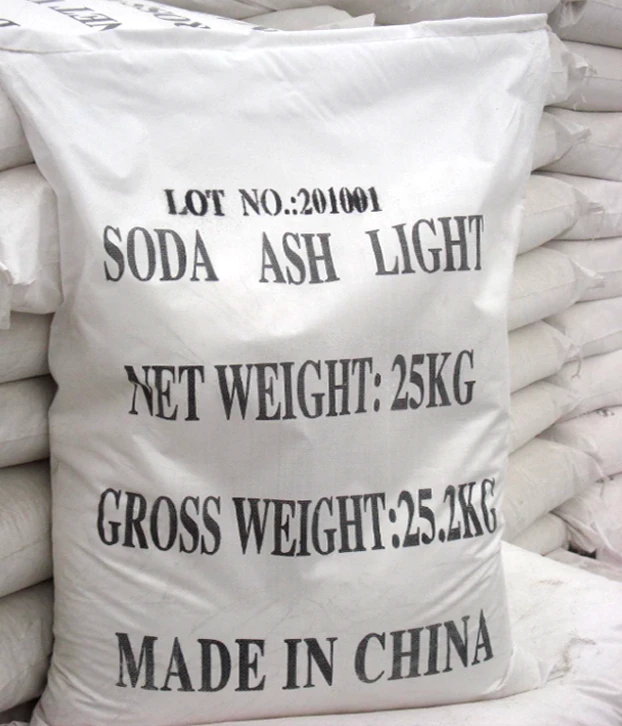
Soda Ash – সোডা এশ
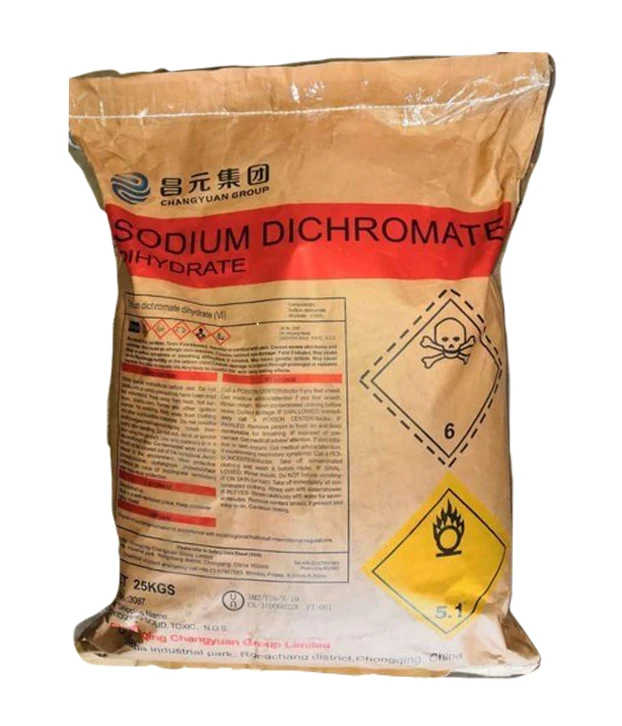
Sodium Dichromate


Contact Info
- Address: House # 595, Mozaffar Tower, Prembagan, Dakshinkhan, Dhaka-1230.
- Primary Phone: 01833777996
- Alternative Phone: 01775828699
- Email: info@chemtex-bd.com, bdchemtex@gmail.com